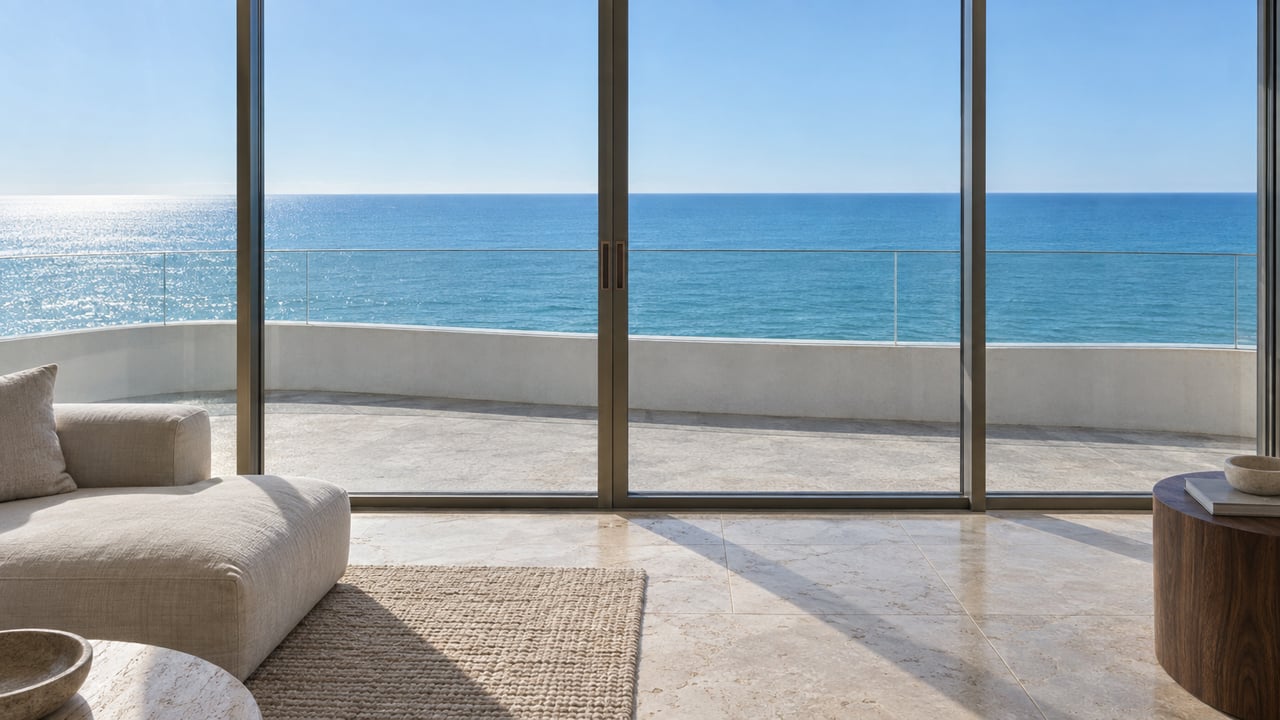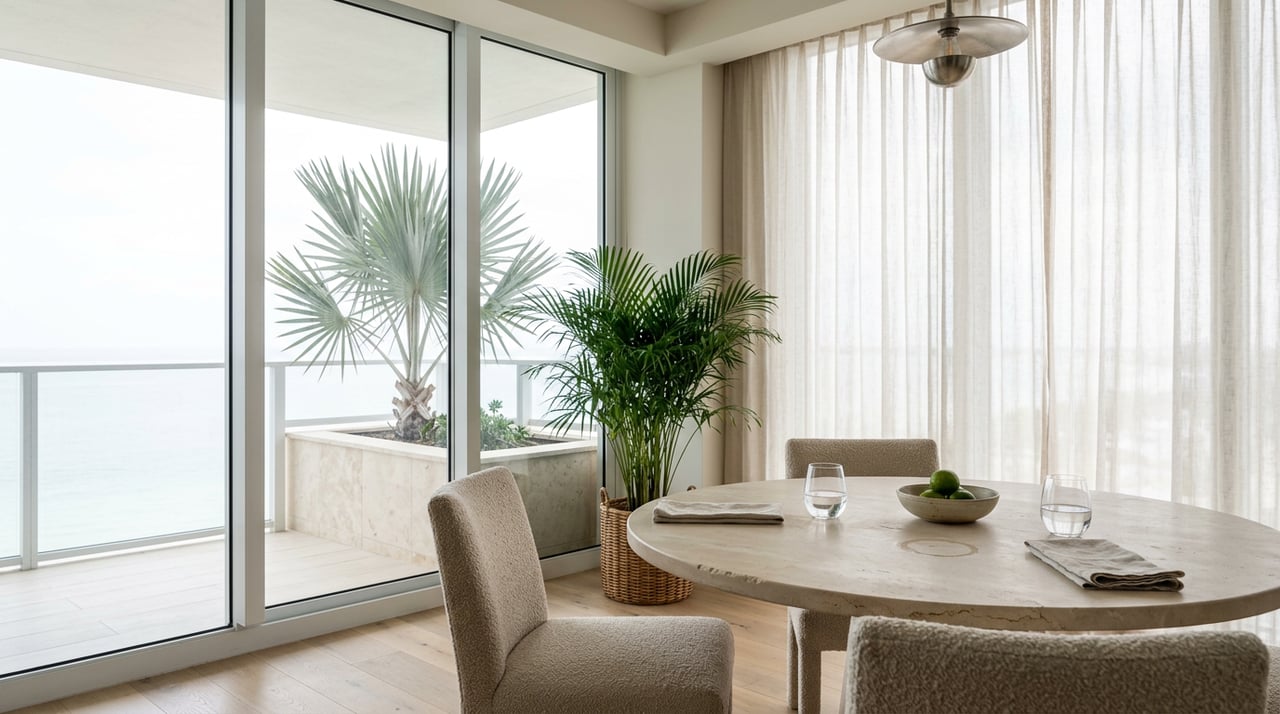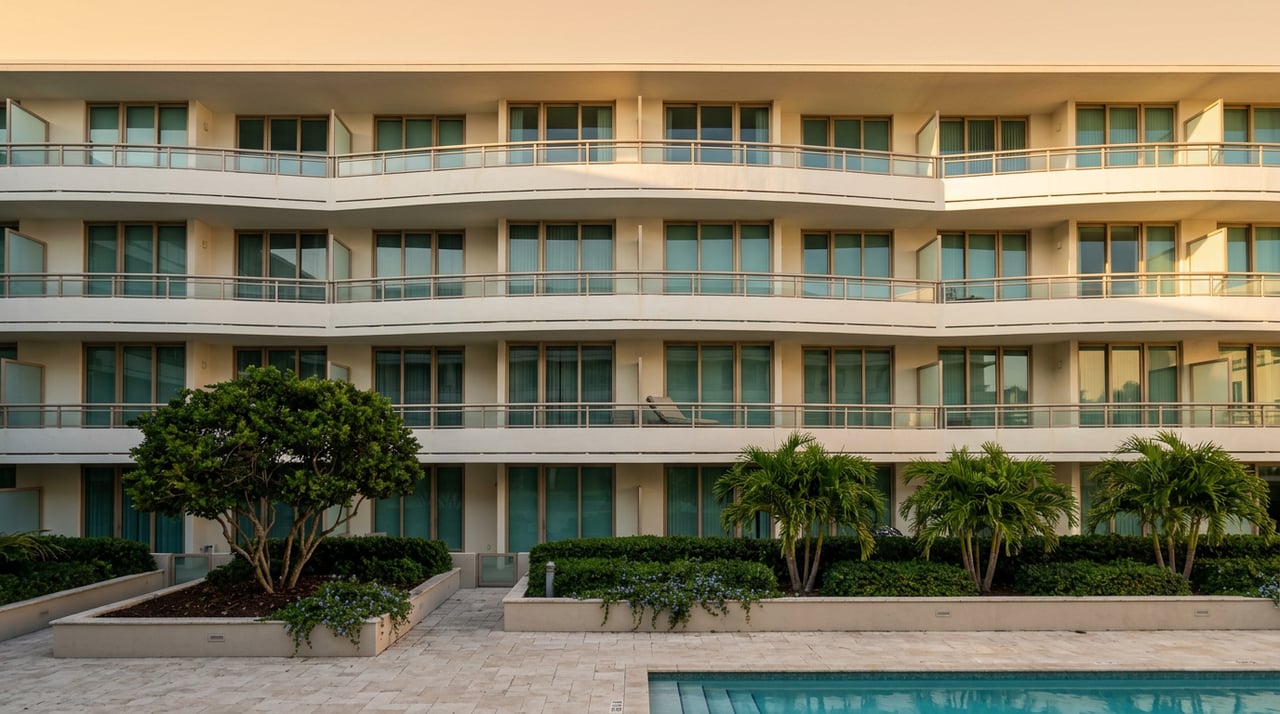
Picture two two-bedroom condos on Singer Island, listed within a few thousand dollars of each other, both facing the ocean, both built in the 1970s and since renovated. One can go to a new tenant the week after closing. The other cannot legally change hands to a renter for three full months, and even then only a handful of times a year. Nothing about the units themselves explains that gap. The difference lives in a document most buyers never open until well after they've fallen for the balcony.
That document is the condominium declaration, and on Singer Island it does something a listing sheet never will. It sets the actual ceiling on how a unit can function as income property. There is no island-wide standard. Every association writes its own minimum lease term and its own limit on how many times a year a unit can turn over to a new tenant, and across real buildings on the island that range runs from 30 days to a full season.
There Is No Island-Wide Rule
A buyer coming from a market with uniform short-term rental ordinances sometimes assumes Riviera Beach or Palm Beach County sets a floor that applies everywhere on the island. It doesn't work that way. Rental minimums here are set building by building, inside each condominium's recorded declaration and bylaws, and they can differ from the tower next door with no warning on a portal listing.
That means the only reliable way to know what a specific unit allows is to read the actual recorded document, searched under the condominium's legal name at the Palm Beach County Clerk and Comptroller's office, not the marketing name a listing might use. It's a small step that gets skipped constantly, usually because the number that gets discussed early in a purchase is the price per square foot, not the minimum lease term buried forty pages into an association's governing documents.
What the Declarations Actually Allow, Building by Building
A handful of Singer Island buildings illustrate how wide that range actually is:
| Building | Minimum Lease | Leases Permitted | Character |
|---|---|---|---|
| Phoenix Towers | 30 days | Up to 4 per year | Two 24-story towers built in 1973, south end of the island |
| Marina Grande | 30 days | Up to 3 per year | Annual and long-term leases also allowed |
| Aquarius | 90 days | Up to 4 per year | Circular oceanside pool, built-out unit interiors |
| Tiara | 90 days | Annual, with renewals | 43-story tower, no pets permitted |
| Sugar Sands | 90 days | Annual, with renewals | Age-restricted 55-plus, Intracoastal side |
The gap between a 30-day building and a 90-day building isn't cosmetic. A 30-day minimum supports genuine season-long flexibility. An owner can put up two or three separate tenants across a single winter, or fill shorter stretches around holidays when demand runs highest. A 90-day minimum compresses that same winter into essentially one lease. You're not managing a rental calendar anymore. You're marketing to a single season-long tenant, and the pro forma you build has to assume one booking, not several, because the declaration won't allow anything shorter.
Sugar Sands adds a second filter on top of its lease term. As a 55-plus community, it narrows the eligible tenant pool by age before the 90-day minimum even comes into play, which matters if the plan is broad seasonal rental demand rather than a specific retiree market.
When the Building Is Also a Hotel
A different structure altogether shows up at properties like The Resort at Singer Island, an oceanfront all-suite building on North Ocean Drive that operates with hotel-style services: daily housekeeping, concierge, room service, a spa and restaurant on site. That amenity mix means rental activity doesn't run through a standard private lease the way it does at Phoenix Towers or Tiara. Instead, owners typically choose between joining a voluntary hotel rental pool, self-renting under the property's rules, or using a private operator, and in the rental-pool arrangement the hotel operator can set rates, market the unit, handle housekeeping and tax remittance, then disburse net proceeds back to the owner.
That convenience comes with a financing wrinkle worth knowing before an offer goes in. Projects with hotel-style services and rental-pool features don't always fit standard conventional lending guidelines the way a typical residential condo purchase does. If a hotel-condo hybrid is on the shortlist, it's worth a call to a lender early in the process, before a financing contingency is written around terms that assume a conventional purchase.
The Tax Paperwork That Rides Along With Shorter Terms
The same flexibility that makes a 30-day building attractive for income comes with compliance duties a longer-term landlord never has to think about. Palm Beach County charges a 6 percent Tourist Development Tax on transient rentals of six months or less, on top of state sales tax, and the host, not the tenant, is responsible for collecting and remitting it. Riviera Beach separately requires a Certificate of Use or Business Tax Receipt for anyone transacting rental business within the city, and that receipt renews annually on September 30.
None of this shows up at the closing table. It shows up the following spring, when an owner who bought into a 30-day building for the flexibility realizes the county expected tax collection and remittance from day one, not just when a tenant happened to stay under six months. A building with a 90-day minimum sidesteps most of this because 90 days already sits outside the transient window, which is one more reason the lease-term question and the tax-compliance question are really the same question asked two different ways.
What to Confirm Before You Write the Offer
A few steps, done in the right order, keep the rental math honest before it becomes a signed contract:
- Pull the recorded declaration and any amendments through the Clerk and Comptroller's official records, filed under the condominium's legal name rather than its marketing name.
- Cross-check that name against the Palm Beach County Property Appraiser's listing for the unit, since the two don't always match on older buildings.
- Request a resale or estoppel certificate early. Associations typically turn these around in seven to ten business days, though older buildings with less digitized records sometimes take fifteen to thirty.
- Budget owner approval and tenant approval as two separate clocks. A board that meets monthly can take 30 to 90 days to approve a new owner, and tenant screening on top of that commonly runs another 14 to 60 days if the building requires board sign-off on renters as well.
None of these steps are complicated. They just have to happen before the rental income gets penciled into a budget, not after.
A Few Questions Worth Asking Directly
Does a 30-day minimum mean I can list the unit nightly on a booking platform? No. A 30-day minimum sets the shortest legal lease term the association allows, not a suggestion. Renting for anything shorter, even through a booking app, still violates the declaration, and boards do enforce it.
Can a building change its minimum lease term after I buy? Yes. Declarations can be amended, usually by a supermajority of owners, so the rule in place at closing isn't guaranteed to last for the life of ownership. Reading a couple of years of board meeting minutes, not just the current declaration, gives a better sense of whether a change is being discussed.
Is a shorter minimum always the better investment? Not automatically. A 30-day building spreads income across more leases but adds vacancy gaps and turnover cost between tenants. A 90-day building trades that flexibility for one longer, steadier booking. Which one fits depends on whether the plan is to actively manage a rental calendar or hand a single season to one tenant and step back.
Reading a condominium declaration line by line isn't the most exciting part of buying on Singer Island, but it's the part that decides whether the rental numbers in your head actually happen once you own the unit. If you're comparing buildings and want help pulling the right documents before an offer goes in, Dawn Sacco at Singer Island Real Estate has spent years working through these declarations building by building and can walk through what a specific property actually allows before you write anything down.
Let's Connect.