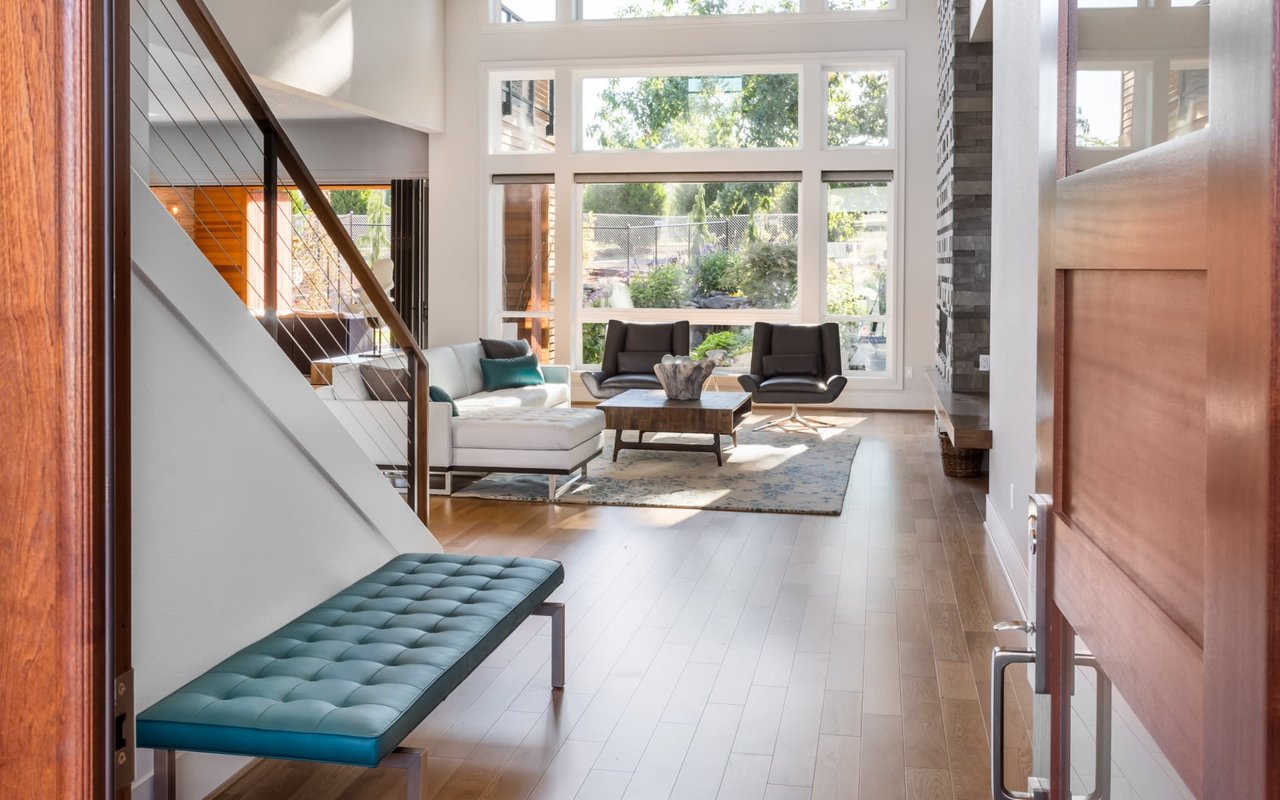
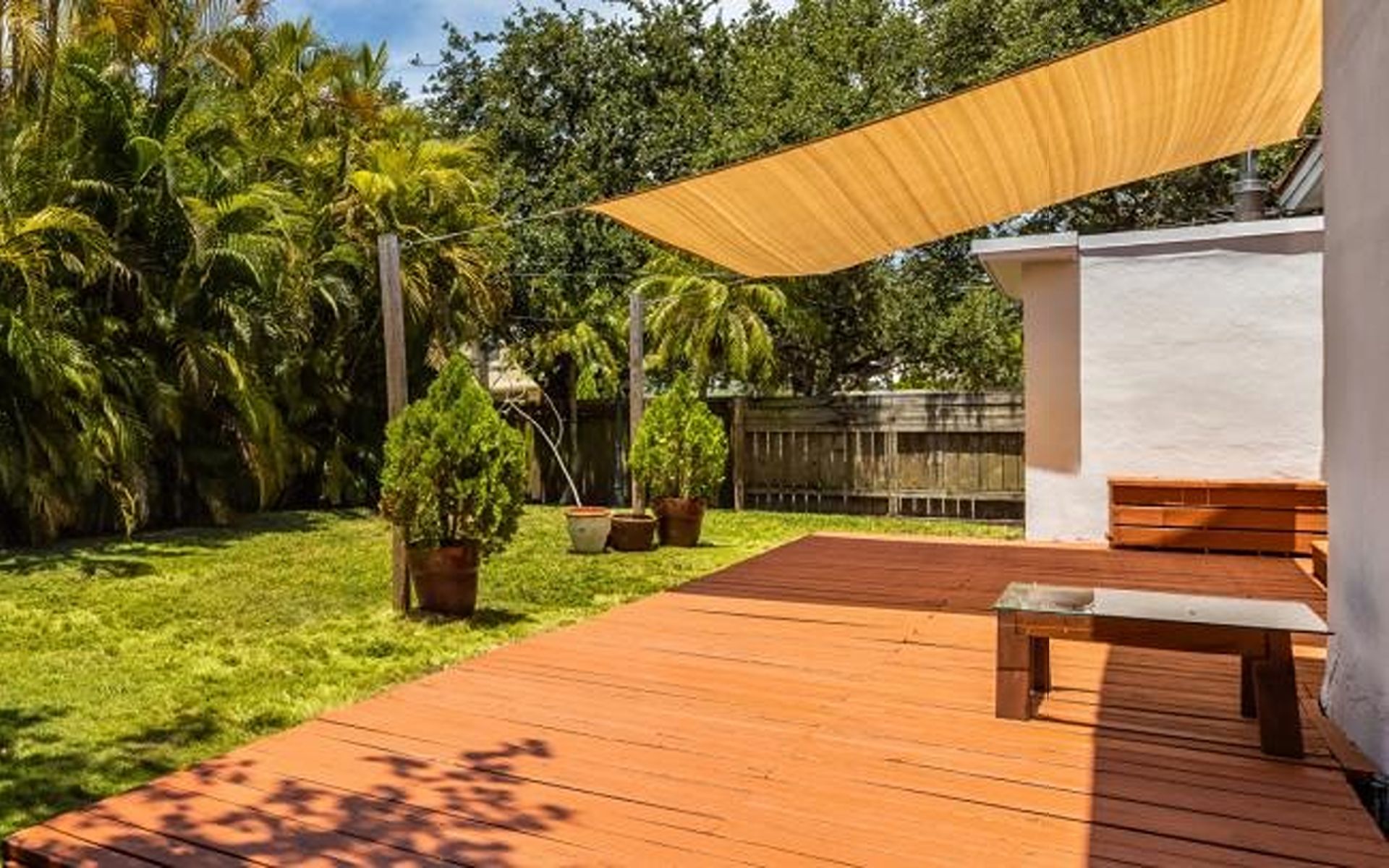
What looks like a minor deck issue can turn into an expensive project, with hidden structural problems, labor, and materials quickly driving up costs.
New York – This column is about home improvement, specifically wooden decks. It is also a reminder, and perhaps a wake-up call, to homeowners and buyers alike. Too often, people look at a deck that is worn, aging, or visibly failing and assume repair or replacement is a relatively minor project. In today's world, that assumption can be far from reality.
Times have changed. What was once considered a manageable upgrade has evolved into a significant financial and structural undertaking. If you have a deck that appears to be nearing the end of its life, there are several important considerations.
First, find a builder who has built more decks than they can count. That may sound like a simple point, but it matters. Experience in this area is everything. Like choosing a surgeon, you want someone who has done it so many times that the process is second nature.
Even with a highly qualified builder, getting an accurate estimate can be difficult. Good builders are often busy, and more importantly, the true scope of the work is not always clear until the project begins.
In many cases, a deck is not simply repaired. It is removed entirely, especially if it is attached to the house. That alone introduces cost. Demolition, hauling, and disposal often require multiple trips to the landfill, each adding time and expense.
From there, complexity increases quickly.
If the deck has a roof structure that needs to be preserved, the builder must temporarily support that roof while removing and rebuilding everything underneath it. That is not simple work. It requires planning, precision, and additional labor.
Elevation is another factor. A deck built high off the ground, requiring ladders and staging, dramatically increases the level of difficulty. Labor becomes more specialized, slower, and more expensive.
Then there are the unknowns.
Once demolition begins, it is common to uncover problems that were not visible before. Support posts may not be properly anchored. Structural connections to the home may be inadequate. Rot around ledger boards and attachment points is frequently discovered. What seemed like a deck issue often turns into a broader structural repair.
In some cases, homeowners are fortunate the deck did not fail.
Modern standards have also evolved. Safety features such as cable or wire infill systems to prevent falls, particularly for children, are increasingly expected. Proper fastening systems, hardware, and code compliance all add to the build.
Material selection is another critical factor. Quality builders often hand-pick lumber from trusted suppliers rather than relying on bulk deliveries from large retailers. That process takes time and reflects a commitment to quality.
Composite materials, such as Trex, have become popular due to their longevity and low maintenance. However, they come at a premium. Even with some fluctuation in pricing, materials alone remain a substantial portion of the overall cost.
And it is not just the boards. A deck requires a surprising amount of hardware, including joist hangers, structural connectors, bolts, screws, and fasteners. Every hole in those connectors is there for a reason, and quality builders use them all. Cutting corners in this area is one of the most common failures seen in older decks.
Craftsmanship also plays a role. A well-built deck involves detailed notching, precise cuts, and coordinated labor. It is not unusual to have multiple workers, one cutting, one measuring, and one installing, working in constant communication. The intricacy of a properly built deck is often underestimated.
Even finishing choices matter. Pressure-treated lumber should not be painted too soon. Doing so can trap moisture and lead to premature rot. Proper staining, at the right time, is essential to longevity.
All of this leads to the central point.
Replacing a deck today is not a small expense. Depending on size, elevation, materials, and underlying conditions, costs can range from $25,000 to $65,000 or more.
For homebuyers, this is especially important. Walking through a property and casually noting that a deck "needs work" without understanding the true cost can lead to a significant miscalculation.
For homeowners, it is a reminder that maintenance, inspection, and timely repair matter. Waiting too long often turns a manageable project into a full replacement.
A well-built deck is a beautiful extension of a home. It adds value, function, and enjoyment. It is also a structural system that requires proper design, materials and craftsmanship.
The bottom line is simple. Do not underestimate the cost, the complexity, or the importance of getting it right.
© Copyright 2026, The Tryon Daily Bulletin, All Rights Reserved.