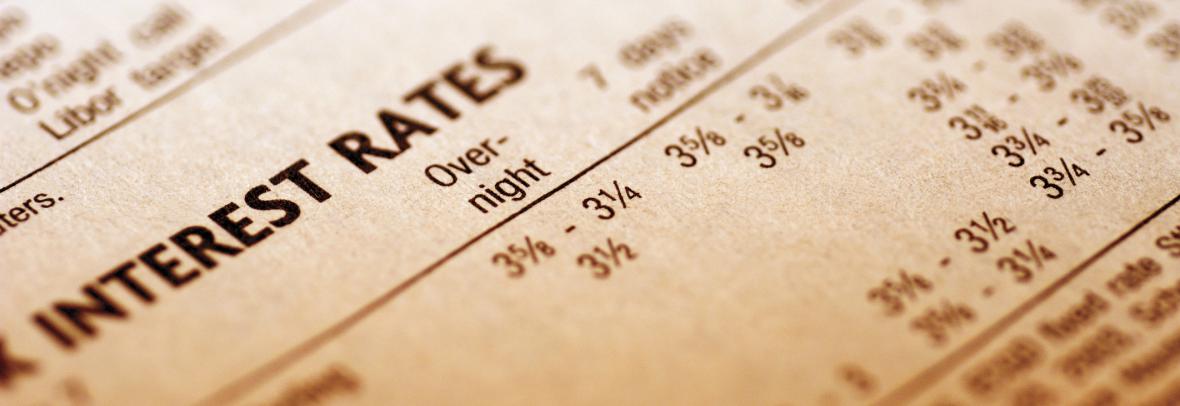
The average long-term U.S. mortgage rate drew closer this week to 6.5%, Freddie Mac reported, pushing up borrowing costs for prospective homebuyers.
The benchmark 30-year fixed-rate mortgage rate rose to 6.49% from 6.43% last week, mortgage buyer Freddie Mac said Thursday. One year ago, the average rate was 6.72%.
When mortgage rates rise, they can add hundreds of dollars a month in costs for borrowers, reducing their purchasing power.
Mortgage rates have remained elevated after the average rate on a 30-year loan briefly dropped below 6% in February for the first time since late 2022. It then climbed in May to its highest level in nine months. The uptick in mortgage rates has weighed on home sales this year.
Borrowing costs on 15-year fixed-rate mortgages, often sought by borrowers refinancing a home loan, also rose this week. That average rate increased to 5.82% from 5.79% last week. A year ago, it was at 5.86%, Freddie Mac said.
Mortgage rates are influenced by several factors, from the Federal Reserve’s interest rate policy decisions to bond market investors’ expectations for the economy and inflation. They generally follow the trajectory of the 10-year Treasury yield, which lenders use as a guide to pricing home loans.
Expectations of hotter inflation amid higher crude oil prices have pushed up long-term bond yields relative to where they were before the war with Iran began in late February, causing mortgage rates to trend higher.
The 10-year Treasury yield was at 4.55% at midday Thursday on the bond market, up from 4.49% a week ago. It was just 3.97% in late February, before the war broke out.
The average rate on a 30-year mortgage is now back to where it was two weeks ago.
While average long-term mortgage rates remain lower than they were at this time last year, uncertainty about their trajectory amid the war with Iran has kept many would-be homebuyers on the sidelines.
Sales of previously occupied U.S. homes declined in the first three months of the year compared to a year earlier, extending a nationwide housing slowdown that dates back to 2022 when mortgage rates began to climb from pandemic-era lows.
Through the first half of this year, seasonally adjusted sales of existing U.S. homes are up only 0.7% compared to the same period in 2025, according to the National Association of Realtors®.
Still, sales of existing U.S. homes continue to hover close to a 4-million annual pace, far short of the historic norm that is closer to 5.2 million.
Copyright 2026 The Associated Press. All rights reserved. This material may not be published, broadcast, rewritten or redistributed without permission.